

We independently evaluate all recommended products and services. Any products or services put forward appear in no particular order. If you click on links we provide, we may receive compensation.
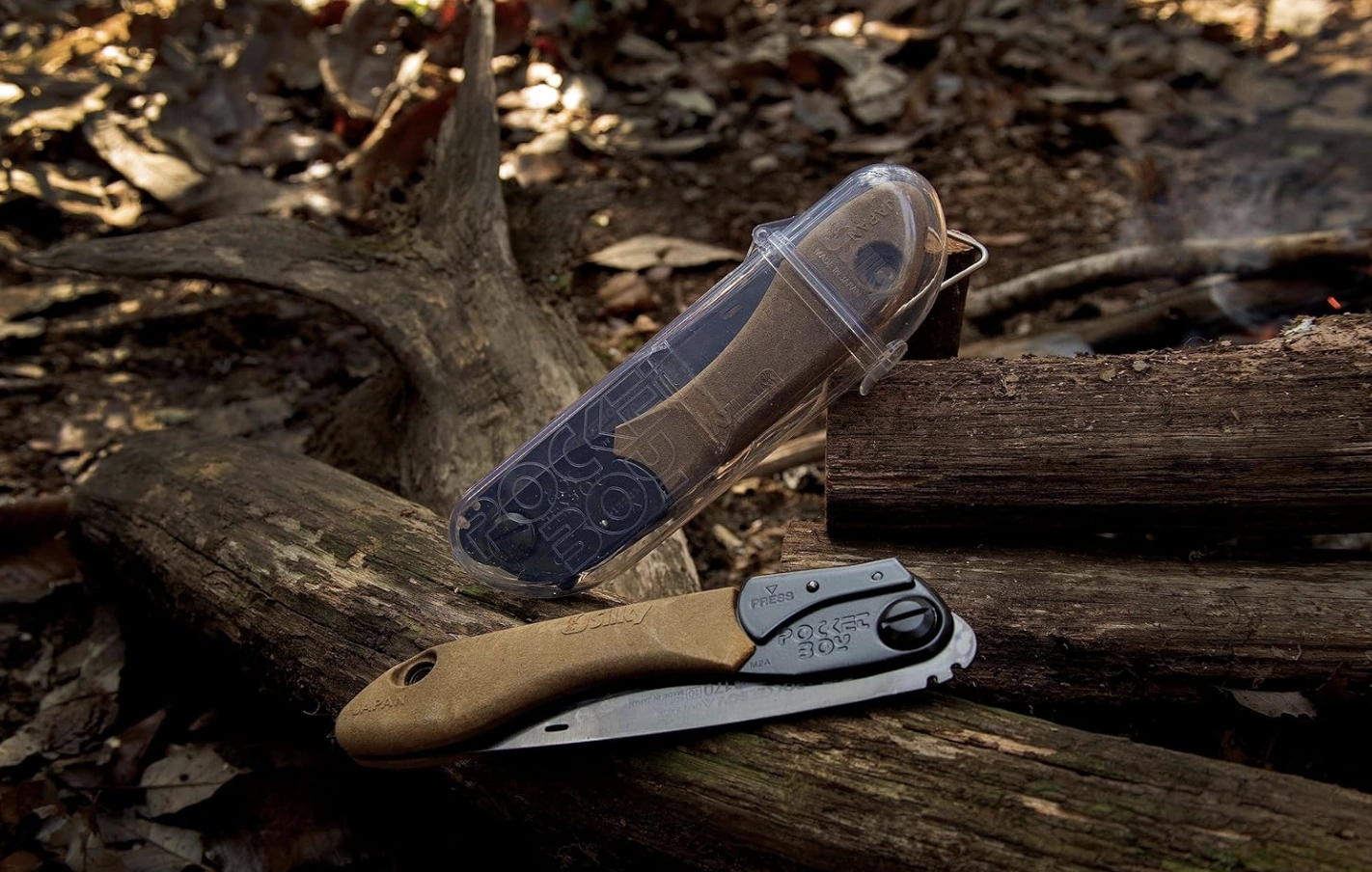
Walk into any knife shop and you'll quickly realize that not all pocket knives are created equal. From your grandfather's three-blade stockman to modern titanium flippers with ball-bearing pivots, the world of pocket knives has evolved into a dizzying array of styles, mechanisms, and specializations.
Whether you're looking for your first EDC knife or trying to understand what separates a slipjoint from a framelock, this guide breaks down everything you need to know about pocket knife types. We'll cover the main categories, their strengths and weaknesses, and help you figure out which style makes sense for your needs.
The good news? There's never been a better time to be a knife buyer. Modern manufacturing has brought premium features down to budget-friendly price points, and traditional patterns are experiencing a renaissance among collectors and users alike.
Key Takeaways
- Traditional slipjoints offer classic styling and simplicity but lack the safety of locking mechanisms
- Modern locking folders dominate the EDC market with one-handed operation and secure blade lockup
- Assisted opening knives provide fast deployment through spring assistance
- Automatic knives (switchblades) deliver the fastest action but face legal restrictions in many areas
- Multi-tools sacrifice some blade performance for versatility
- Your ideal pocket knife type depends on intended use, local laws, and personal preferences
- We suggest beginners will do best starting with a mid-sized locking folder in the 3-3.5" blade range
Understanding Pocket Knife Categories
The pocket knife world divides into several distinct categories, each with its own characteristics, advantages, and ideal use cases.
Let's break them down.
Traditional Slip Joint Knives
Traditional slipjoint knives represent the oldest and most recognizable pocket knife style. These are the knives your grandfather carried, the ones with bone or wood handles and multiple blades that fold into the handle without any locking mechanism.
How They Work
Slipjoints use spring tension to hold the blade open or closed. A flat spring inside the handle creates resistance at the blade's pivot point. When you open the blade, it "snaps" into the open position where spring tension keeps it there during use. There's no actual lock, just friction and pressure.
This means a slipjoint can close on your fingers if enough pressure is applied to the spine of the blade. It's not a defect – it's how they're designed. For this reason, traditional folders require a different cutting technique than locking knives. You keep your fingers away from the blade's path and avoid applying pressure to the spine.
Popular Traditional Patterns
The beauty of traditional pocket knives lies in their time-tested patterns. Each was designed for specific tasks that farmers, stockmen, and tradespeople encountered daily.
The Stockman is probably the most recognized pattern, featuring three blades: a clip point, a spey blade, and a sheepsfoot blade. This combination handles almost any cutting task you'll encounter. The clip point is your general-purpose blade, the spey was originally for castrating livestock (hence the name), and the sheepsfoot excels at detail work.
Trappers carry two long blades in a slim profile, making them excellent pocket companions when you don't need the utility of a third blade. They're typically lighter and more elegant than stockmans.
The Canoe offers a unique shape that's comfortable in hand with its rounded handles and typically sports two blades. It's become increasingly popular in modern iterations from companies like GEC and Case.
Barlow knives are another classic, characterized by their elongated bolsters and teardrop shape. They're comfortable for extended use and offer solid performance in a traditional package.
Congress patterns feature four blades, making them the Swiss Army knife of traditional folders. They're bulkier but incredibly versatile if you appreciate having options.
Key Characteristics
Traditional folders share several defining features. They open with a nail nick rather than a thumb stud or flipper. This requires two hands and a bit more deliberation, which some see as a safety feature and others as a limitation.
The materials tend toward natural options like bone, wood, and jigged synthetic materials that mimic traditional aesthetics. Brass or nickel silver bolsters add weight and durability to high-wear areas.
Blade steel in traditional knives typically focuses on ease of sharpening over extreme edge retention. You'll find steels like 1095 carbon steel or more modern options like D2 in higher-end pieces. Carbon steel takes a wicked edge and is easy to maintain in the field, but it will develop a patina over time and requires more care to prevent rust.
When to Choose Traditional
Traditional slipjoints make sense in several scenarios. If you live in an area with restrictive knife laws, slipjoints often face fewer legal restrictions than locking folders. The UK, for instance, allows non-locking folders under 3 inches without requiring a specific reason to carry.
They're also perfect for office environments where a tactical folder might raise eyebrows. A classic Case or Buck folder looks like a tool, not a weapon, which matters in many professional settings.
Collectors appreciate traditional knives for their craftsmanship and historical significance. Companies like Great Eastern Cutlery produce limited runs of classic patterns using traditional methods, creating knives that are as much art pieces as tools.
Limitations
Let's be honest about the drawbacks. The lack of a locking mechanism means you need to be mindful of your technique. They're not ideal for heavy-duty tasks or situations where you can't focus entirely on your cutting. Two-handed opening is slower, though some see this as a feature that promotes thoughtful knife use.
They're also typically heavier than modern folders of similar blade length due to the multiple blades and metal bolsters. If weight is a primary concern for your EDC, you'll want to consider this.
Modern Locking Folding Knives
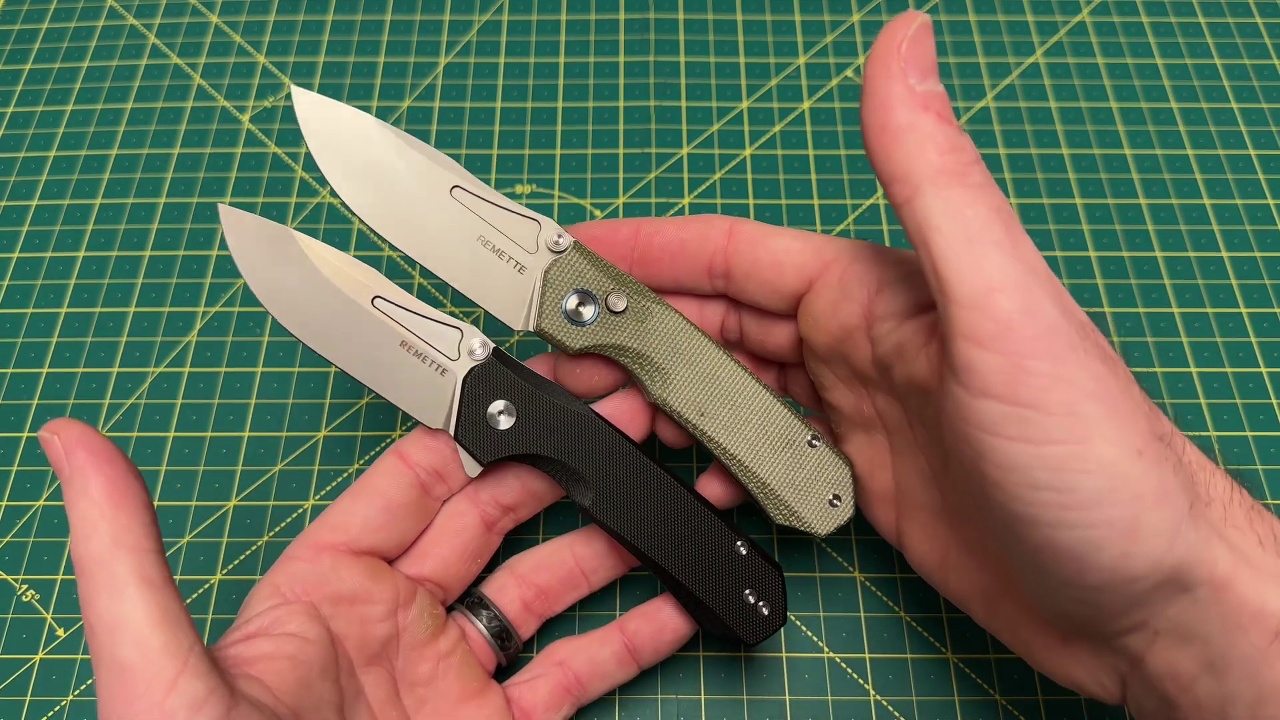
Modern locking folders represent the majority of today's pocket knife market. These knives feature mechanisms that positively lock the blade open, preventing accidental closure during use. They're the workhorses of the EDC community and the default choice for most knife users.
Lock Types
The locking mechanism is what defines modern folders. Several types dominate the market, each with strengths and weaknesses.
Liner locks use a spring-loaded liner that moves into position behind the blade when opened, preventing it from closing. They're simple, reliable, and found on countless knives from budget to mid-range. The downside is potential for lock rock and wear over time, especially on cheaper knives.
Frame locks work like liner locks but use the actual handle scale as the locking mechanism rather than a separate liner. They're typically found on titanium-handled knives and offer excellent strength with minimal weight. Companies like Chris Reeve Knives popularized this design.
Axis locks are Benchmade's patented design using a spring-loaded bar that spans the width of the knife behind the blade. They're ambidextrous, smooth to operate, and extremely reliable. Many consider the Axis lock one of the best locking mechanisms ever designed.
Compression locks are Spyderco's answer to the Axis lock, offering similar benefits with a slightly different mechanism. They're incredibly strong and easy to use one-handed.
Button locks have experienced a resurgence in popularity, offering satisfying deployment and rock-solid lockup. The button design allows for easy one-handed operation and has become a favorite among knife enthusiasts.
Key Features
Modern folders excel at one-handed operation. Whether through thumb studs, thumb holes, or flippers, you can deploy these knives quickly without needing your off hand. This matters more than you might think until you're trying to open a box while holding it.
Materials in modern folders push the envelope. You'll find premium blade steels like S30V, M390, and even more exotic options that hold an edge far longer than traditional steels. Handle materials range from G-10 and Micarta to titanium, carbon fiber, and aerospace-grade aluminum.
The pocket clip has become standard equipment, allowing you to keep the knife readily accessible without consuming pocket space. Most modern folders offer multiple clip positions and orientations, letting you customize the carry method to your preferences.
Popular Modern Designs
The Benchmade Griptilian exemplifies modern folder design with its Axis lock, premium steel options, and practical ergonomics. It's been a best-seller for years because it simply works.
Spyderco's Paramilitary 2 represents another iconic modern design, with its compression lock, distinctive thumb hole, and aggressive blade geometry. It's spawned countless imitators and remains a benchmark for EDC performance.
Budget options from companies like Ontario (the RAT series), CRKT, and Kershaw bring modern locking folder features to accessible price points. You no longer need to spend $150 to get a reliable locking knife.
When to Choose Modern Locking Folders
If you're looking for a serious work knife or EDC blade, a modern locking folder should be your first consideration. The combination of one-handed operation, secure lockup, and modern materials makes them incredibly practical.
They're ideal for anyone who uses their knife regularly for actual tasks rather than occasional box opening. The secure lock means you can apply real pressure without worrying about the blade closing.
Considerations
The downside to modern folders is mainly legal and social. Some jurisdictions restrict locking knives or one-handed opening mechanisms. They also tend to look more aggressive than traditional patterns, which can be a problem in corporate environments or when traveling.
They're typically more expensive than traditional folders of similar quality, though budget options have closed this gap considerably. A basic Case folder might run $40, while a modern folder with similar build quality typically starts around $50-60.
Assisted Opening Knives

Assisted opening knives occupy a middle ground between manual folders and automatics. They use spring assistance to complete the opening action once you initiate it, resulting in faster deployment than a standard folder without the button-push action of an automatic.
How Assisted Opening Works
The mechanism typically uses a torsion bar or coil spring that activates once you manually open the blade past a certain point – usually 25-30 degrees. The spring then takes over and snaps the blade open the rest of the way. You still initiate the opening manually, which is a crucial legal distinction from automatic knives.
Kershaw popularized this technology with their SpeedSafe system, found on knives like the Blur and Leek. The action is fast and satisfying while remaining legal in most jurisdictions that ban automatics.
Legal Status
Here's where things get tricky. Assisted opening knives are legal in most U.S. states, but not all. Some states ban them entirely, while others allow them with restrictions. The key legal distinction is that you must manually initiate the opening – the spring only assists, it doesn't do the work entirely.
Always check your local laws before purchasing an assisted opener. What's legal in Arizona might get you in trouble in New York. We're not lawyers, so don't take this as legal advice – verify the laws in your area.
Advantages and Drawbacks
The obvious benefit is speed. An assisted opener deploys noticeably faster than a standard manual folder. For emergency responders, this quick access can be valuable. The spring assistance also makes deployment easier for people with reduced hand strength or dexterity issues.
On the flip side, assisted openers are more mechanically complex than standard folders. More parts mean more potential points of failure. The springs can weaken over time, and some assisted mechanisms require specific tools for maintenance. They're also banned or restricted in more places than standard folders, so if you travel frequently, an assisted knife might cause problems you wouldn't face with a manual folder.
Best Assisted Opening Options
Kershaw's lineup remains the gold standard for assisted openers. The Blur offers a larger blade in premium steel, while the Leek provides a slim gentleman's folder profile with assisted action. The more recent Dividend and Link models bring modern aesthetics to the assisted opening category.
Benchmade offers several assisted models including variations of their popular Griptilian line. Budget options from brands like Smith & Wesson and SOG bring assisted opening to very accessible price points, though quality can be hit or miss at the low end.
Automatic Knives (Switchblades)

Automatic knives deploy at the press of a button or movement of a switch. They're the fastest-opening pocket knives available and carry a mystique from decades of sensationalized media coverage and restrictive legislation.
How Automatics Work
True automatic knives use a spring that's under constant tension when the knife is closed. Pressing the button or switch releases this tension, causing the blade to deploy automatically. You don't initiate the opening manually – the spring does all the work.
Two Main Types
Out-the-front (OTF) automatics deploy straight out of the handle's front. Double-action OTFs can also retract with a button press, while single-action models require manual retraction. Microtech and Benchmade's Infidel are popular OTF designs.
Side-opening automatics work more like traditional folders but with automatic deployment. The blade swings out from the side when you press the button. These tend to be more robust than OTFs and easier to maintain.
Legal Considerations
This is where we need to be very clear: automatic knives face significant legal restrictions in many areas. Federal law restricts interstate commerce of automatics, and many states outright ban them or heavily restrict who can own them. Some states allow automatics for military, law enforcement, or those with disabilities. Others ban them entirely.
Check your local and state laws before even considering an automatic knife. Seriously. We can't stress this enough. What's legal in Texas might land you with a felony in some other states.
Why Choose an Automatic?
If automatics are legal in your area and you can justify the higher cost, they offer the absolute fastest deployment. They also have significant appeal to collectors – the mechanical complexity and precision required to build a quality automatic make them fascinating pieces of engineering.
For those with disabilities affecting hand strength or dexterity, automatics can provide knife access that would be difficult with manual folders. Some states recognize this with disability exemptions to automatic knife bans.
Quality Matters
With automatics more than any other knife type, quality matters tremendously. A cheap automatic is a ticking time bomb of mechanical failure and potential injury. Reputable brands include Microtech, Benchmade (their Infidel line), Pro-Tech, and Guardian Tactical. Expect to pay $200-500 for a quality automatic.
Budget automatics from overseas manufacturers flood the market, but quality is wildly inconsistent. Unless you really know what you're doing, stick with established brands. Automatics also require more maintenance than manual folders – springs eventually wear, and OTF mechanisms can get gummed up with pocket lint and debris.
Multi-Tools
Multi-tools aren't pure pocket knives, but they deserve mention in any discussion of folding cutting tools you can carry daily. These devices integrate a knife blade with various other tools in a single package.
The Two Main Styles

Swiss Army style multi-tools, popularized by Victorinox, use traditional slipjoint blades combined with scissors, screwdrivers, can openers, and numerous other implements. The classic Victorinox Swiss Army Knife represents this style perfectly – from the simple Executive to the ridiculous SwissChamp with 80+ functions, there's a model for every level of tool obsession.
Plier-based multi-tools, pioneered by Leatherman, center around a pair of pliers with folding handles that contain various tools. Leatherman dominates this category, though companies like SOG, Gerber, and Victorinox also produce plier-based tools. The Leatherman Wave+ remains one of the best-selling multi-tools for good reason – it simply works.
The Trade-offs
Multi-tools require compromise. The knife blade on a multi-tool will never perform as well as a dedicated pocket knife of similar quality. The blade is typically shorter, uses budget steel, and can't be deployed as quickly. But what you lose in knife performance, you gain in versatility. That's the entire point.
For everyday carry, this matters more to some people than others. If you find yourself regularly needing a screwdriver, scissors, or file in addition to a knife blade, a multi-tool makes sense. If you primarily need a knife and only occasionally need other tools, you're better off with a dedicated knife and a small tool kit for the rare occasions you need more.
When Multi-Tools Make Sense
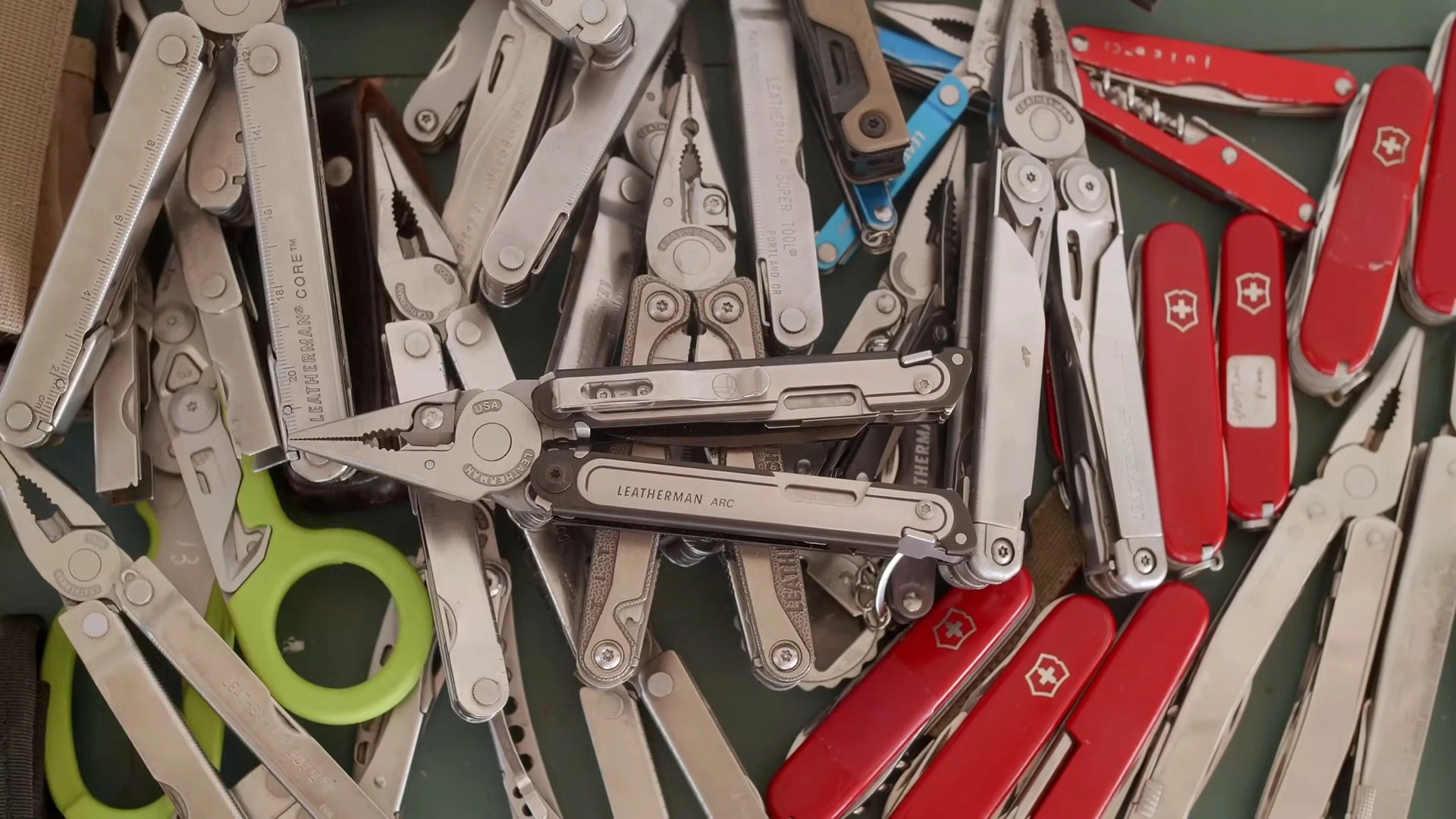
Multi-tools are popular with maintenance workers, facilities managers, and anyone whose job involves varied tasks throughout the day. Having multiple tools in one package means not returning to a toolbox every time you need something different.
For minimalists, a quality multi-tool can replace several carried items, reducing pocket clutter. This philosophy has driven the popularity of compact plier tools like the Leatherman Skeletool or Signal. The bulk is real though – even compact multi-tools are chunkier than a similarly-sized knife, and the increased complexity means more maintenance.
Specialty Pocket Knives
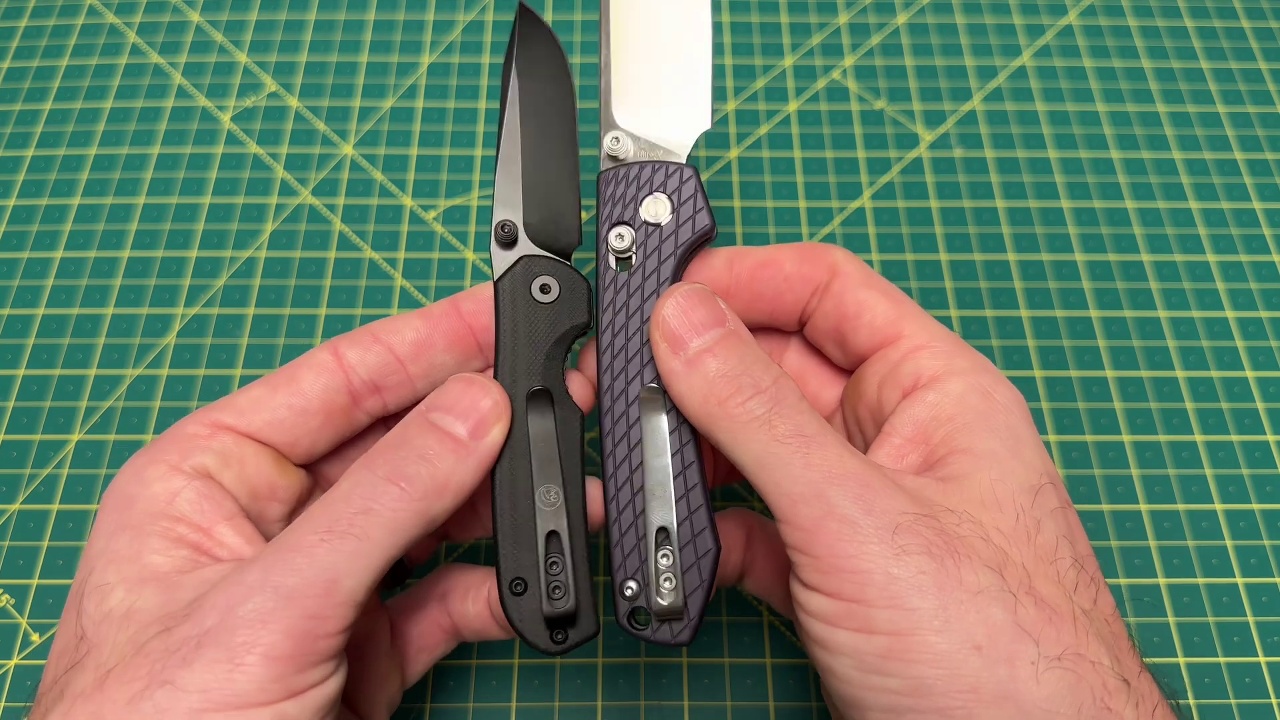
Beyond the main categories, several specialized pocket knife types deserve mention.
Gentleman's Folders
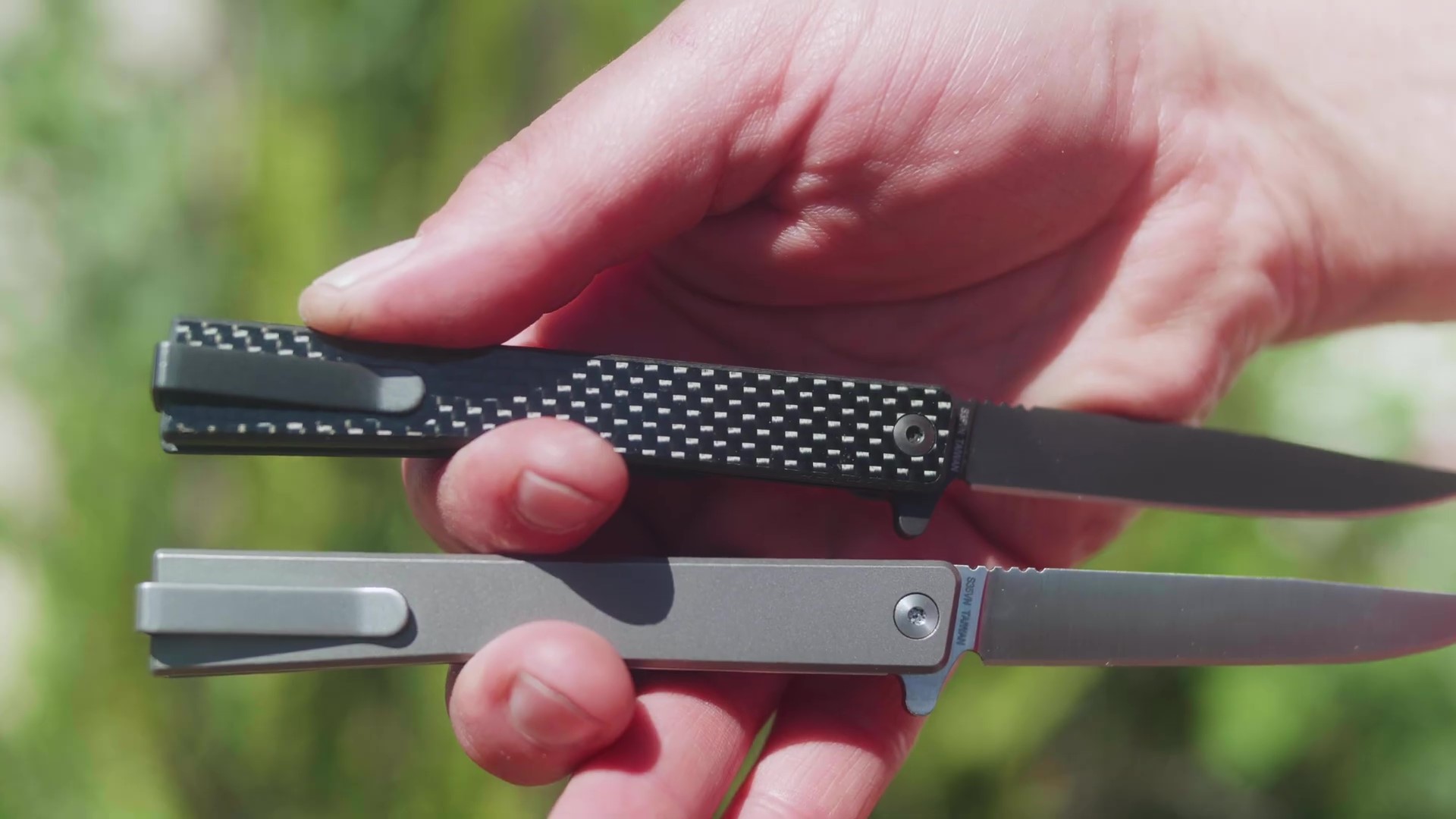
Gentleman's folders prioritize slim profiles, refined aesthetics, and socially acceptable presentation over tactical capability. These are knives for the office, dress occasions, or anywhere a full-size EDC folder might seem out of place.
They typically feature blades in the 2.5-3" range, slim handles in elegant materials like wood, carbon fiber, or polished G-10, and understated pocket clips or no clip at all. Companies like Kizer, Viper, and the GiantMouse ACE Biblio prove that a practical tool can also be a handsome accessory.
Tactical Folders
On the opposite end of the spectrum, tactical folders emphasize aggressive aesthetics, maximum durability, and features useful in self-defense or military applications. These knives often feature tanto or modified blade shapes, aggressive handle texturing, and robust locking mechanisms.
Zero Tolerance, Emerson, and Strider represent major players in this category. Their knives are built like tanks and priced accordingly. Unless you actually work in military or law enforcement roles, the extra bulk and aggressive appearance of tactical folders might be more than you need.
Utility Folders
Some modern pocket knives fall into a utility category distinct from traditional EDC folders. These knives prioritize practical work capability over appearance or carrying comfort. Buck's 110 Folding Hunter represents the classic utility folder – simple, robust, and designed purely for getting work done. Modern interpretations include knives like the Cold Steel Recon 1 or SOG Flash series.
Neck Knives

Technically fixed blades rather than folders, neck knives deserve mention as an alternative carry method for small knives. These typically feature blades under 3 inches attached to a chain or cord worn around the neck. The ESEE Izula or Candiru represent popular options – they offer instant access, require no pocket space, and won't shift during active movement. The downside is the commitment to wearing something around your neck all day.
How to Choose the Right Type for You
With so many options, how do you pick? It comes down to three things: what you'll use it for, where you live, and what you prefer in your pocket.
Your Primary Use
If you mainly open packages and cut tape, almost any modern folder will work. You don't need a $300 knife for office tasks – a well-made budget folder from Ontario or Kershaw handles these needs perfectly.
For actual work – construction, landscaping, maintenance – invest in a locking folder with good steel and robust construction. You'll use it hard enough that quality matters. The Spyderco Manix 2 represents an excellent working knife at a reasonable price.
For outdoor activities like hunting, fishing, or camping, consider your specific needs. Many outdoorspeople prefer fixed blades for serious work, using a folder as backup. But quality folders like the Buck 110 have served hunters for generations.
If collecting is your interest, traditional patterns offer endless variety and appreciation. The traditional knife community values craftsmanship and historical accuracy, making it a rewarding area to explore.
Legal Environment
This can't be overstated: know your local laws. Some jurisdictions restrict locking mechanisms, one-handed opening, blade length, automatic knives, assisted opening, and concealed carry. A knife that's perfectly legal in one state might be illegal in another. When in doubt, a non-locking folder under 3 inches is legal almost everywhere.
We're not lawyers, and knife laws change. Check current regulations for your area and anywhere you plan to carry. The American Knife and Tool Institute (AKTI) maintains resources on knife laws, though you should verify current regulations independently.
Quick Decision Framework
If you want maximum versatility and legal compliance, get a non-locking traditional folder under 3 inches.
If you want the best general EDC, get a locking folder with a 3-3.5" blade in a modern steel. This is what most knife people carry daily.
If you want fast deployment, consider assisted opening (legal in more places) or automatic (check laws first).
If you want multiple tools in one, go with a multi-tool, but accept the knife blade compromise.
If you want office-appropriate carry, get a gentleman's folder or small traditional knife that doesn't look threatening.
If you want maximum durability for hard use, invest in a quality locking folder from a reputable brand with good steel and construction.
A Quick Note on Steel and Blade Shapes
We're not going to rehash our full blade shape guide or knife steel breakdown here – those are deep topics that deserve their own articles. But in short: a drop point blade handles the widest range of tasks for most people, and a mid-range steel like 14C28N or D2 offers the best balance of edge retention, corrosion resistance, and ease of sharpening without breaking the bank. If you want to nerd out on the specifics (and trust us, it's a rabbit hole), check out those dedicated guides.
Why Trust Us
Here at Knife Informer, we've spent over a decade testing, reviewing, and using hundreds of pocket knives across every category and price point. We've evaluated everything from $15 gas station specials to $500 custom pieces, putting them through real-world use and abuse.
Our team includes collectors, everyday users, and professionals who rely on their knives for actual work. We're not just regurgitating specifications – we carry these knives, use them for daily tasks, and understand what works and what doesn't. Our recommendations are based on actual experience, not marketing materials.
Final Thoughts
The perfect pocket knife doesn't exist. Every type represents a compromise between competing priorities: size versus capability, tradition versus innovation, safety versus convenience, cost versus performance.
The good news is that with modern manufacturing technology and competitive markets, you can get excellent knives at almost any price point. A $50 knife today performs better than $200 knives from twenty years ago.
Start with a solid mid-range locking folder in the 3-3.5" range if you're new to pocket knives. Something like the Ontario RAT 2, Spyderco Tenacious, or Kershaw Skyline will serve you well while you figure out what features matter most to you.
Most importantly, actually use your knife. The best pocket knife is the one you have with you when you need it. Buy something practical, carry it daily, and enjoy having a quality tool at hand.
FAQ
Q: What's the most versatile type of pocket knife?
A: For pure versatility across the widest range of situations, a modern locking folder with a 3-3.5" drop point blade hits the sweet spot. It's legal in most places, handles the majority of daily tasks effectively, and offers the safety of a locking mechanism. If legal restrictions are a concern, a traditional slipjoint folder under 3 inches provides maximum legal compliance while still being genuinely useful.
Q: Are automatic knives legal?
A: It varies dramatically by location. Many U.S. states completely ban civilian ownership of automatic knives, while others allow them with no restrictions. Some states permit automatics only for military, law enforcement, or individuals with disabilities. Federal law restricts interstate commerce but doesn't prohibit ownership in states where they're legal. Always check your specific state and local laws before considering an automatic knife.
Q: What's the difference between assisted opening and automatic knives?
A: Assisted opening knives require you to manually initiate the opening by pushing on a flipper or thumb stud. Once you've started the opening motion past a certain point, a spring takes over and completes the action. Automatic knives open entirely by spring power when you press a button or switch – you don't manually move the blade at all. This distinction matters legally, as assisted openers are legal in many jurisdictions that ban automatics.
Q: Which type is best for beginners?
A: Start with a modern locking folder in the mid-price range ($50-80). Something like the Ontario RAT 2, Spyderco Tenacious, or Kershaw Skyline gives you quality construction, a secure locking mechanism, and decent steel without breaking the bank. Once you've carried a quality mid-range folder for a few months, you'll understand whether you want something smaller, larger, lighter, or with better steel.
Q: Do I need a locking knife?
A: For safety during any task requiring pressure or force, yes. Locking mechanisms prevent accidental closure that could result in injury. If you're only doing light cutting like opening mail or packages, a traditional slipjoint can work fine with proper technique. But for anything more demanding – cutting rope, food preparation, outdoor tasks – a locking knife provides a significant safety advantage.
Q: What blade length is best for EDC?
A: The 3-3.5" range is the sweet spot for most users. It's large enough to handle real work without being bulky or legally problematic in most areas. Under 3 inches works if you prioritize compactness or face restrictive local laws, but you sacrifice capability. Over 3.5 inches offers more cutting power but becomes less convenient to carry and may trigger legal restrictions.
Q: How much should I spend on a pocket knife?
A: You can get a genuinely useful knife for $30-40 these days. The Ontario RAT 2, Kershaw Skyline, and CIVIVI Elementum all deliver real quality at budget prices. Spending $75-150 gets you premium materials like S30V steel, better fit and finish, and brands with strong warranties. Beyond $200, you're often paying for refinement, collectibility, or specific performance characteristics rather than dramatic functional improvements. For most people, something in the $50-100 range represents the best balance of quality and value.
